
Incontinence can refer to both urinary incontinence and bowel incontinence. Urinary incontinence is the involuntary leakage of urine, while bowel incontinence is the involuntary loss of solid or liquid stool. This page focuses on the different types of urinary incontinence and what causes them. Because to provide the right care, you must understand the type of urinary incontinence you are dealing with.
What is urinary incontinence?
Different types of urinary incontinence
Stress urinary incontinence
Stress urinary incontinence is caused by poor support for the bladder and urethra, e.g. weak pelvic floor muscles. The symptoms appear when there is increased pressure on the abdomen from physical activity, coughing, sneezing, laughing, etc. It usually only involves small amounts of urine. Constipation, obesity and chronic coughing can increase abdominal pressure, causing the condition to worsen.
For women, this is the most common type of urinary incontinence. Examples or risks are pregnancy, childbirth, obesity – it can also be hereditary. Stress urinary incontinence is not so common in men but can occur after prostate surgery. Pelvic floor muscle training can prevent and often cure stress urinary incontinence in men and women.

Urge urinary incontinence
Urge urinary incontinence is involuntary urine leakage accompanied or preceded by an urgent need to urinate. It can result in small frequent leakages or a complete emptying of the bladder.
Examples of risks include an enlarged prostate, diuretics or a urinary tract infection, but often the cause cannot be identified. People may urinate more than the normal urination frequency of 4-8 times per day – including one or more times during the night (nocturia). In some cases, bladder training can help people urinate less frequently and avoid urinating at night.
Mixed urinary incontinence
Mixed urinary incontinence is a combination of stress and urge urinary incontinence. It is characterised by frequent urges to urinate, sometimes leakages if individuals don’t make it to the toilet in time and urine leakage during physical activity. It is triggered by physical activity, coughing or sneezing.
Involuntary leakage caused by an overfilled bladder
Bladder emptying difficulties could be caused by a blockage of the urethra or if the bladder is too weak to contract and empty fully. When the bladder overfills with urine, it eventually over stretches beyond its capacity. This over extension can lead to involuntary leakage (also known as overflow incontinence) but also other symptoms from the lower urinary tract such as a feeling of the bladder not being completely emptied. Symptoms also include difficulties starting to urinate, an interrupted or weak urinary stream, frequent urge and frequent night time urination.
If the urethra is compressed by an enlarged prostate or a prolapse, bladder emptying difficulties could occur. This could also be caused by a weak bladder muscle from, e.g. nerve damage involving the nerves that support bladder control. Risks could be diabetes, multiple sclerosis or a spinal cord injury. Certain types of medication could also affect bladder muscle function as a side effect.
Urinary retention (the build-up of urine in the bladder) must be treated since the pressure of urine building up in the bladder can cause the urine to go back up the ureters towards the kidneys. Residual urine is also a risk for urinary tract infection. If urinary retention is suspected, contact your healthcare professional.
Neurogenic bladder
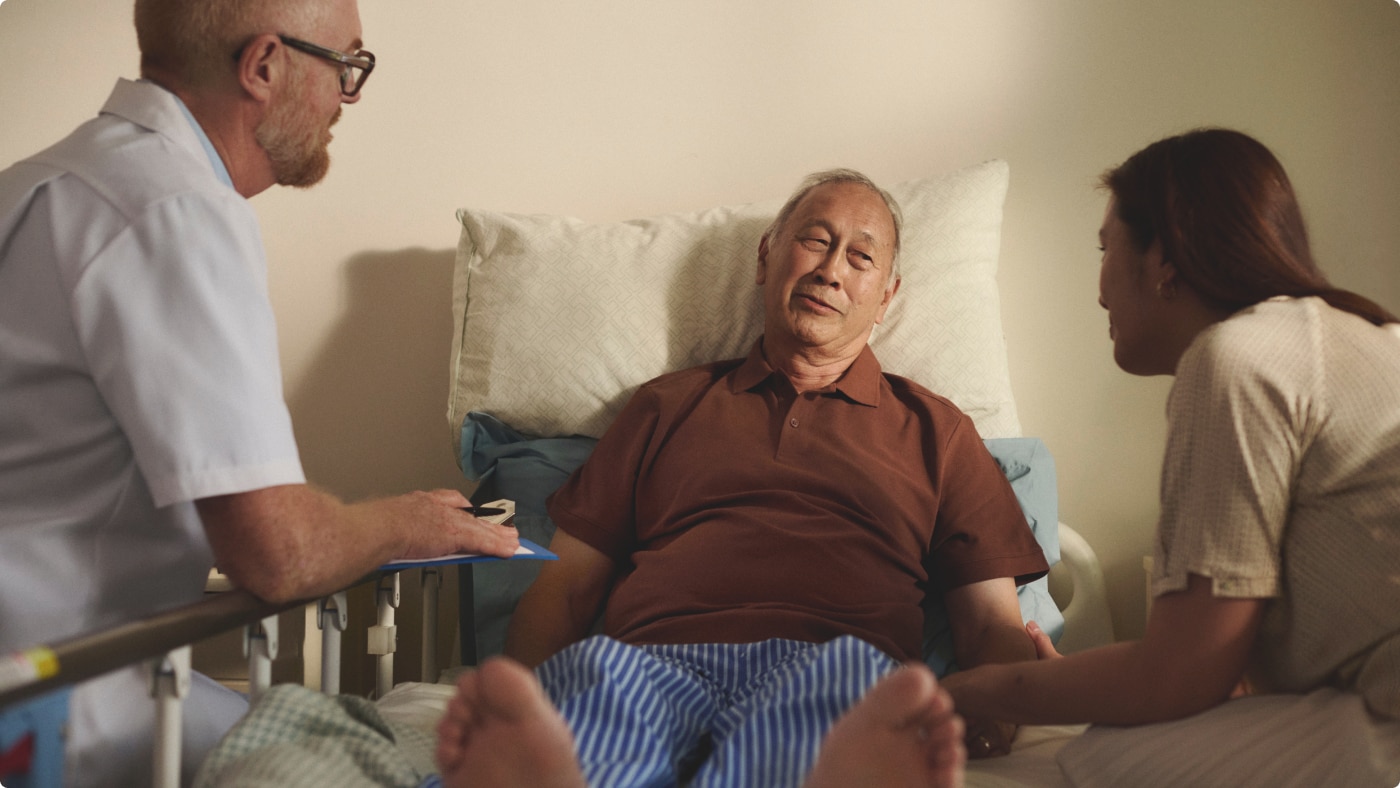
Damage to the brain, spinal cord or nerves caused by trauma or illness can affect the way the brain and bladder communicate. This can lead to a loss of bladder control. Individuals who have suffered, for example, a stroke or are living with multiple sclerosis or Parkinson’s disease may all experience urinary incontinence. Symptoms can include urgency, leakage and difficulty emptying the bladder.
Post micturition dribble
Post micturition dribble is involuntary leakage immediately after urinating. It is caused by urine left in the urethra and usually happens once men leave the toilet or as women rise from the toilet seat. It is more common in men but women with weak pelvic floor muscles can also be affected.
Functional urinary incontinence
Functional urinary incontinence is the involuntary leakage of urine due to physical impairments that prevent reaching the toilet in time. These can include reduced mobility, reduced vision or dexterity where individuals can’t remove their clothes fast enough. Factors can also include cognitive impairment and dementia where the individual doesn’t understand that they need the toilet or how to get there.
Read related articles


With over 60 years of experience TENA is the world’s leading incontinence brand*. We offer a full range of absorbent products, skincare and digital health technology solutions that are tailored to the needs of individuals, their families and healthcare professionals.
With TENA, Essity is at the forefront of developing products and services that help improve dignity and the quality of people’s lives. We strive for sustainable continence care with better care and better products.
*Source: Euromonitor International Limited; Retail Adult Incontinence, all channels, RSP value sales, Tissue & Hygiene, 2024 edition.






TENA, a brand of Essity – a global leading hygiene and healthy company. Everyday, our products, solutions and services are used by billion people around the world. Our purpose is to break barriers to well-being for the benefit of consumers, patients, caregivers, customers and society. Sales are conducted in approximately 150 countries under the leading global brands TENA and Tork, and other strong brands such as Actimove, Cutimed, JOBST, Knix, Leukoplast, Libero, Libresse, Lotus, ModiBodi, Nosotras, Saba, Tempo, TOM Organic and Zewa. In 2025, Essity had net sales of approximately SEK 138bn (EUR 13bn) and employed 36,000 people. The Company's headquarters is located in Stockholm, Sweden and Essity is listed on Nasdaq Stockholm. More information at essity.com.