Making a difference every day

Reducing plastic in our packaging and purchasing certified renewable electricity - these are just two of the ways we reduce our carbon footprint at TENA. But it's not only during manufacturing that can make a difference with our products. Every day, TENA helps caregivers reduce leakages, which can help care facilities reduce their climate impact.

A professional caregiver makes a resident’s bed in a comfortable nursing home environment. A professional caregiver makes a resident’s bed in a comfortable nursing home environment.

The right product can help care facilities make a difference

Incontinence can make a caregiver’s day even more demanding. With checks, changes, leaks and laundry to take care of, it’s understandable that climate impact is not always top of mind. But with the right level of person-centred care, professional caregivers can improve resident wellbeing while also helping reduce product consumption and energy use. 
 
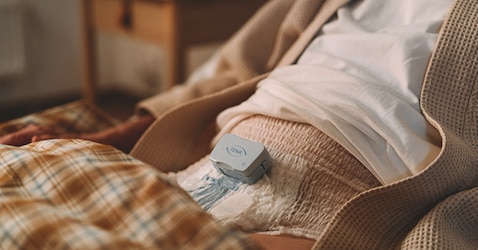
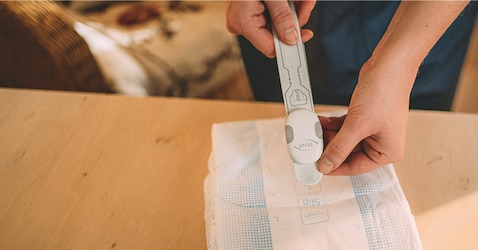
Reducing leakages plays a key role in reducing a care facility’s climate impact. But to reduce leakages, caregivers must be able to choose the right product for residents’ individual needs. An accurate continence assessment can help caregivers evaluate which product type, size and absorption level best suits those in their care. Once a resident is wearing the right product, then you’re ready to make a real difference. 
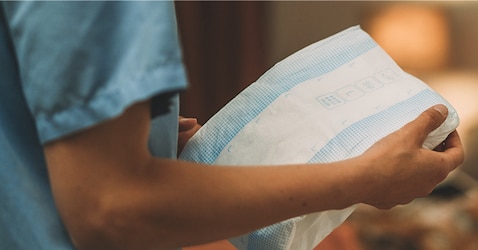
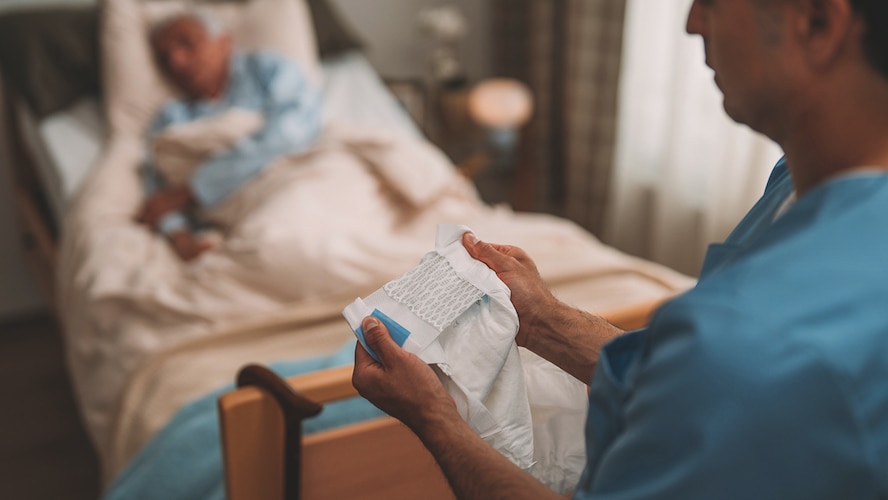
A professional caregiver holds a TENA absorbent product while a nursing home resident lies in bed. A professional caregiver holds a TENA absorbent product while a nursing home resident lies in bed.
A joint study carried out by Essity and the UK National Health Service (NHS), showed that when residents were assigned absorbent products that met their specific needs, leakages were reduced by 75%. (1) When care facilities reduce leakages, they can also reduce the amount of laundry they have to do as well as the amount of energy they use – not to mention saving on detergent, softener, etc.
 
Fewer leakages also means fewer products are needed, which will cut down on consumption as well as waste. The same Essity and NHS study showed that fewer leakages led to 35% fewer absorbent products being used* while another Essity study showed a reduction of 38% in underpads for bedding. (2)
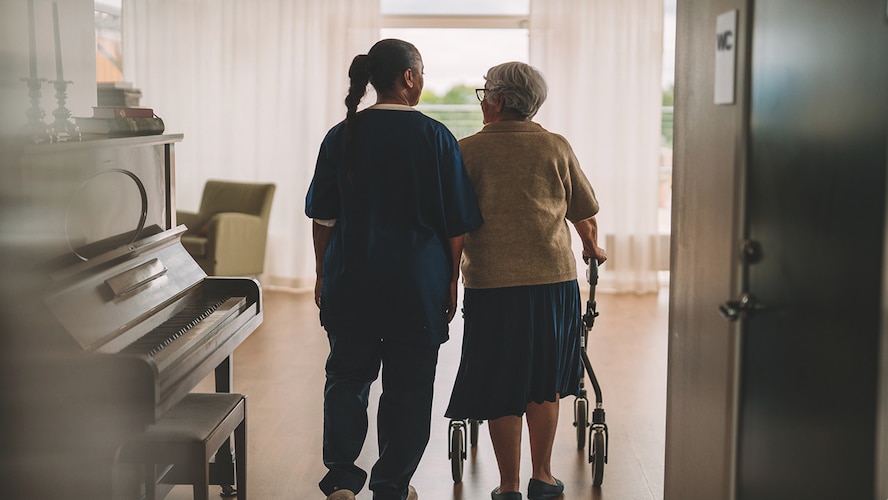
A shot taken from behind shows a professional caregiver and an elderly nursing home resident with a rollator walking down a corridor in a nursing home. A shot taken from behind shows a professional caregiver and an elderly nursing home resident with a rollator walking down a corridor in a nursing home.
But reducing product consumption and energy use are not the only benefits. Fewer leakages also means more dryness and better skin health for those in care, which reduces the chances of painful skin conditions such as incontinence-associated dermatitis (IAD) and pressure ulcers. These conditions are painful and can require hospital stays, which leave their own environmental footprint in the form of transport, medication and energy use. 
 
When it comes to sustainability, it’s common to focus on future goals. But with the right care approach and the right products, caregivers can make a difference every day by reducing leakages, laundry, product consumption and waste. 

5 ways TENA contributes to more sustainable continence care

*Required fields

*Required fields

*Required fields

*Required fields

*Required fields

An elderly female nursing home resident walks in the garden of a nursing home on a sunny day An elderly female nursing home resident walks in the garden of a nursing home on a sunny day

References:

(1) Figures provided by the NHS 
 
(2) Del Prato et al, 2022, Nursing Times (on-line, www.nursingtimes.net), Tailoring continence management to individual needs in residential care, Vol 118, issues 4 
 
(3) The carbon footprint reductions in Europe between 2008-2024 for TENA products are based on Life Cycle Assessments conducted by Essity and third party verified in 2024.