
How to support bowel control loss in elderly residents

Bowel incontinence – also known as faecal incontinence – is the involuntary loss of bowel control. It affects almost 50% of nursing home residents. Many cases can be reduced or prevented by identifying contributing factors early and supporting healthy bowel function. When incontinence does occur, the right continence care approach is essential to maintain comfort, dignity and skin health. 

Common contributing factors include reduced mobility, cognitive impairment, diet, medication and chronic constipation. A structured bowel assessment and a clear understanding of the condition can help caregivers minimise episodes and improve outcomes. This page provides evidence-based guidance on supporting bowel control in elderly individuals.


What are normal bowel habits?

A typical healthy adult has between one and three bowel movements per day, with a minimum of three per week1.Bowel activity is naturally lower during the night but increases in the morning after waking and eating. When food enters the stomach, it triggers a reflex that stimulates the bowel – known as the gastrocolic reflex. A bowel movement soon after a meal, especially after breakfast, is a sign of a normal, healthy bowel. Stools should be sausage-shaped and passed without effort or discomfort.

An unhealthy bowel: Four signs caregivers should look out for:

  • Fewer than three bowel movements per week
  • Straining or discomfort during a bowel movement
  • A change in stool consistency – harder, looser or different in appearance
  • Diarrhoea or rectal bleeding
A female professional caregiver crouches down in front of a seated nursing resident and talks in a reassuring and comforting way

What can cause bowel incontinence in elderly residents?

Physical causes

  • Damage to the rectum, anal sphincters or nervous system can impair bowel control
  • Hard stools stretch and weaken the rectum; loose stools are difficult to control – both increase risk of faecal incontinence
  • Weakened abdominal and pelvic floor muscles make full bowel emptying difficult, increasing risk of constipation and leakage

Functional causes

  • Cognitive impairment may mean residents don't recognise the urge to defecate or can't locate the toilet
  • Reduced mobility and dexterity can prevent residents from reaching the toilet in time or manage clothing 
  • This is functional incontinence, where physical barriers rather than bowel function are the cause.


Risk factors

  • Irregular eating and poor appetite can disrupt the gastrocolic reflex, increasing the risk of constipation
  • Certain medications, including antibiotics, laxatives and antidepressants, can contribute to constipation or worsen bowel incontinence
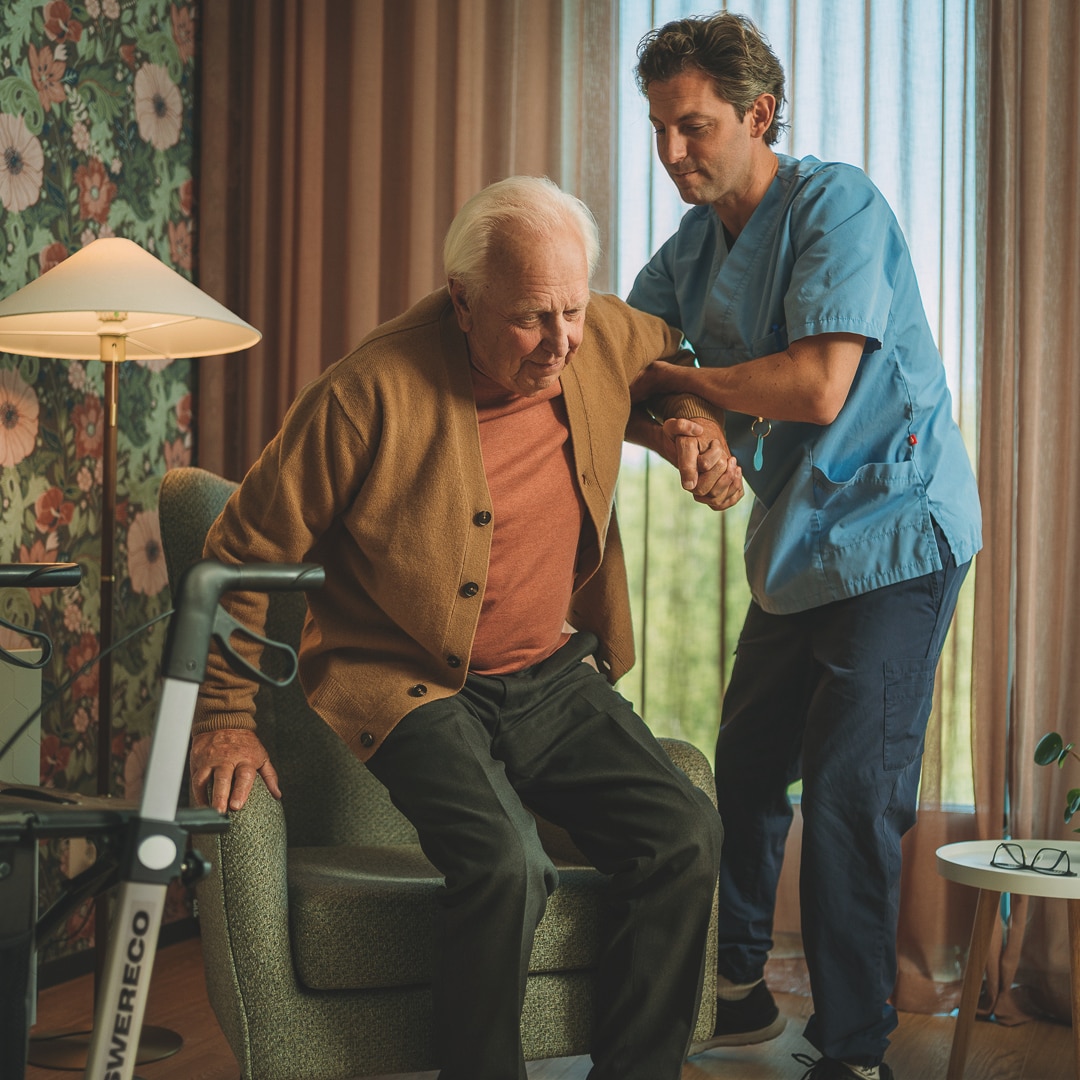
A carer helping an elderly resident off a chair
. A carer helping an elderly resident off a chair

Functional causes

  • Cognitive impairment may mean residents don't recognise the urge to defecate or can't locate the toilet
  • Reduced mobility and dexterity can prevent residents from reaching the toilet in time or manage clothing 
  • This is functional incontinence, where physical barriers rather than bowel function are the cause.


Risk factors

  • Irregular eating and poor appetite can disrupt the gastrocolic reflex, increasing the risk of constipation
  • Certain medications, including antibiotics, laxatives and antidepressants, can contribute to constipation or worsen bowel incontinence

How does preventive care support bowel control loss and improve quality of life?

Preventive care supports healthy bowel function and quality of life by reducing constipation, diarrhoea and faecal leakage. It also helps prevent complications such urinary tract infections (UTIs) and IAD by minimising the skin’s exposure to faeces or urine. Below are some preventive care tips to support bowel control and resident wellbeing. 

Ensure regular mealtimes to support the gastrocolic reflex 

Encourage toilet visits after meals, especially after breakfast 

Encourage residents to respond promptly to bowel signals as waiting increases the risk of constipation

A carer speaking to multiple residents sat at a table
. A carer speaking to multiple residents sat at a table

How does preventive care support bowel control loss and improve quality of life?

Preventive care supports healthy bowel function and quality of life by reducing constipation, diarrhoea and faecal leakage. It also helps prevent complications such urinary tract infections (UTIs) and IAD by minimising the skin’s exposure to faeces or urine. Below are some preventive care tips to support bowel control and resident wellbeing. 

Ensure regular mealtimes to support the gastrocolic reflex 

Encourage toilet visits after meals, especially after breakfast 

Encourage residents to respond promptly to bowel signals as waiting increases the risk of constipation

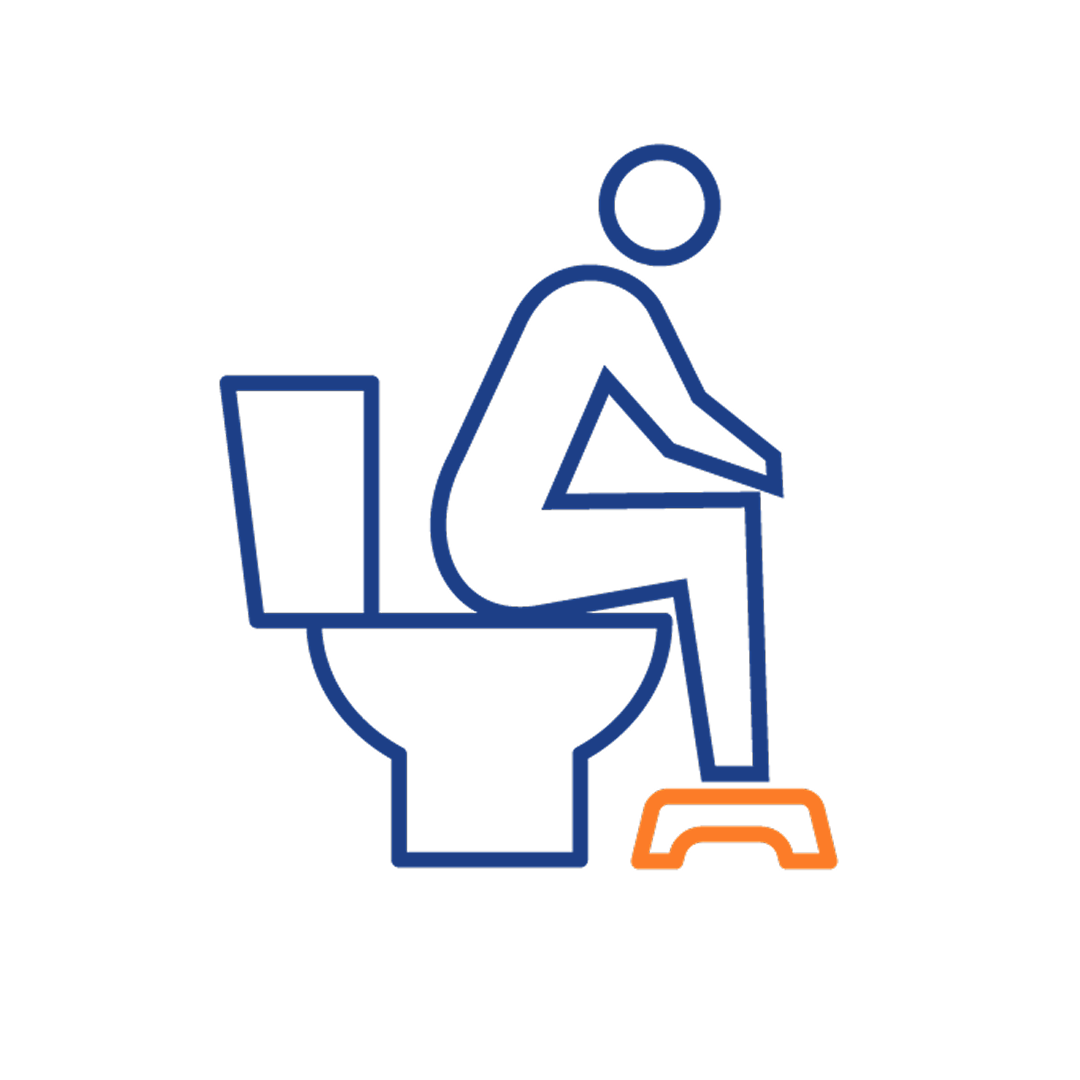
An icon showing the correct toileting position

More tips on how to improve quality of life with preventive care

Ensure a good toilet position that facilitates complete bowel emptying. A footrest can help achieve the correct posture. 

Monitor laxative use, as overuse increases the risk of diarrhoea and bowel incontinence. Side effects should also be monitored. 

Remove faeces promptly after an incontinence episode to protect the resident’s skin. 

Use Barrier Cream for residents showing signs of skin irritation, or for those with frequent faecal leakage, as this presents a significant risk of IAD. 

Use no-rinse cleansers to provide efficient, gentle cleansing and skin protection during continence care. 

Always wipe front to back after a toilet visit to prevent bacterial transfer

References

1. Cardozo L, Rovner E, Wagg A, Wein A, Abrams P, editors. Incontinence. 7th ed. Bristol, UK: ICI-ICS; 2023. ISBN: 978-0-9569607-4-0